Showing posts with label cultural criticism. Show all posts

Thursday, October 03, 2013

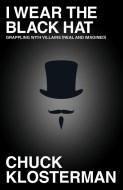
about "I Wear The Black Hat" by Chuck Klosterman


I Wear the Black Hat bounces around the topic of villainy with a collection of deftly written essays by American writer and essayist Chuck Klosterman. The reading flies by thanks to Klosterman's fresh prose. He's at his best when musing over the finer points of individuals and pop culture references; one of the best passages in I Wear the Black Hat finds Klosterman articulating the nuances of his (and many others') intolerance for the classic rock band The Eagles.

But, unfortunately, Klosterman too easily gives in to the temptation to sound profound, and the result is a handful of hasty generalizations; a prime example from this book is when he attempts to extrapolate a larger cultural lesson from the decline of 1980's flash-in-the-pan comedian Andrew Dice Clay.* This kind of fallacy is pervasive in the pop culture-centric variety of writing commonly found in sources like The New Yorker, Gawker, and Deadspin among others. Nevertheless, I Wear the Black Hat is an overall agreeable read by an astute observer and talented writer.


Notes:
* There have been so, so many Andrew Dice Clays--performers and artists who seem to suddenly appear but then disappear--that putting any single one of them under a microscope should attract a good measure of skepticism. In the case of the "Diceman," maybe interest in him waned simply because he only had one joke.


Wednesday, March 28, 2012

A thing on Paul Goodman's "Growing Up Absurd"


The full title, Growing Up Absurd: Problems of Youth in the Organized Society, explains it: this is writer and intellectual Paul Goodman's inventory of social ills leading kids to rebel, drop out, and be generally dysfunctional in the 1950s. Nothing escapes his criticism: poor city planning, the lack of meaningful work, kids' intellectually starved education, churches born of hierarchy and dogma rather than community--he calls out each and every failed institution and stunted revolution as he defends the angry and resigned.

I read Growing Up Absurd at the same time I took an interest in "Leave it to Beaver" reruns. Watching June Cleaver fret over young Theodor arriving home from school ten minutes late or Wally changing his hairstyle shows, I think, the kind of anxiety Goodman was responding to--anxiety egged on by starched social pundits in horn-rimmed glasses cautioning middle class parents about the troubled young man in the black leather jacket that might emerge from their own child. To these parents Goodman essentially says, Of course you don't understand them; they reject everything you've spent your life dealing with, negotiating, rationalizing, and accepting. And for good reason!

Goodman assumes the audience shares his progressive views, and some sections are confusing, as if written hastily. Plus, the negativity made this a pretty tough read. I found greater value in its being a historical document more so than spot-on social criticism.