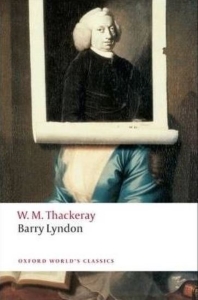
Barry
Lyndon (or, The Luck of Barry Lyndon) is the fictional memoir of a lower-middle-class
Irishman who scratched out a rocky spot for himself in English aristocracy. The
protagonist, roguish Redmond Barry of Ballybarry, exhausts his wits and
ambition imprinting himself over society’s vulnerabilities and corruption. Though
Redmond satisfies some big ambitions, his insecurities insist, and success and
failure come in equal measure.
Redmond
believed—no, knew!—he was a gentleman who belonged in the aristocracy. But events brought his Irish family low, and Redmond
came of age feeling victimized, stewing unhappily among the unwashed.
Barry
Lyndon is written in Redmond's pompous,
earnest voice, and he tells of his travels, military enlistments, ruined affairs,
con jobs, rivalries, and retributions.
After
scrambling a while, Redmond’s ambitions gain traction finally when he unites with his uncle, a fellow adventurer and conman. Redmond then marries into
wealth, his mark being the Countess of Lyndon. Redmond promptly spends her money,
runs out of luck, and ends up living on an allowance in prison.
Redmond
has scores of confidence and self-belief but belongs nowhere and is without
principles.
I
saw Stanley Kubrick’s adaptation, “Barry Lyndon,” years ago. I loved the film,
which is different from the novel, but the novel is a fun, special read on its own—largely because Redmond’s
phrasings are incredibly droll.
Note:
Barry Lyndon is considered a picaresque novel. It was written by William
Makepeace Thackeray and first published as a serial in 1844.