Part 1:
Part 2:
Part 3:
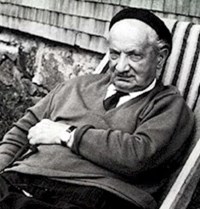 Why is there something rather than nothing? So begins this intro class by Heidegger. But the real question concerning our professor isn't Why?, but What? What is "being"? Not just the physical being we try to account for through our senses, but the being that underscores everything; not, for example, the red apple, but an apple's being colored.
 The film "Gravity" offers a movie-going experience. Yes, the visuals stun and inspire. But it's more than beauty that makes us submit. The story is simple but the action engrossing; and the protagonist is uncomplicated--a supple mirror in which we replace the image with ourselves. So we fret and ease along with her as the film creates the illusion of time alternately speeding up and then crawling; it does so with the sounds of breathing, of heartbeats, of blinking lights, watches, and faceless monitors that beep out the pace, switching from measured rhythms to urgent, pleading buzzes. And when we finally reach the moment when we can pause and consider all that just happened, we're left with a sense of wonder--not just of the vastness of the universe, but the resilience of the human spirit. Now, this human spirit stuff is a sort of hackneyed theme and an easy payoff for the writers but it works okay here.
Self-containment is not simply Obama’s political default mode. Self-possession is the core of his being, and a central part of the secret of his success. It is Obama’s unwavering discipline to keep his cool when others are losing theirs, and it seems likely that no black man who behaved otherwise could ever have won the presidency.
But this quality, perhaps Obama’s greatest strength in gaining office, is his greatest weakness in conducting it.
Obama’s self-evident isolation has another effect: It tends to insulate him from engagement in the management of his own administration. The latest round of “what did the president know and when did he know it” on the disastrous rollout of Obamacare and the tapping of German chancellor Angela Merkel’s cell phone raised troubling questions: Were Obama’s aides too afraid to tell him?
 The author would have us believe that Obama's self is the issue here. The matter is not poor leadership, carelessness, incompetence, bad delegation practices, or the simple fact that every presidency has some major failures. No, in Obama's case we find a complication of self.
 Mother of Perpetual Help, to Thee we come imploring help.
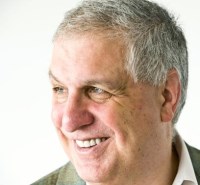 In Believing Is Seeing, Errol Morris investigates our relationship with photos--how we view them and what they mean to us. He uses several well-known photographs to flesh out some solid insights. One of the first insights is that we tend to look for motivations in a picture. What was the photographer trying to say? What is the guilt or innocence of the person in the picture? But Morris dismisses such attempts to infer anything beyond what the picture shows. Photos, he says, merely record data. But because we privilege
vision, we imagine that photos provide a door to the
truth. And in our imagining, we make false inferences and draw hasty, faulty conclusions.
In Believing Is Seeing, Errol Morris investigates our relationship with photos--how we view them and what they mean to us. He uses several well-known photographs to flesh out some solid insights. One of the first insights is that we tend to look for motivations in a picture. What was the photographer trying to say? What is the guilt or innocence of the person in the picture? But Morris dismisses such attempts to infer anything beyond what the picture shows. Photos, he says, merely record data. But because we privilege
vision, we imagine that photos provide a door to the
truth. And in our imagining, we make false inferences and draw hasty, faulty conclusions.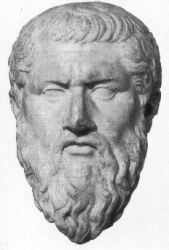 What's more, these "national conversations" are often fueled by "competing narratives" of rhetors who, in the public debate, project certain "optics". We hear this kind of language in political news coverage more and more--language that implies open questions with no shared sense of answers, truths, or appeals to objectivity. This talk signals a shift or further slide in our worldview toward a wider, freer recognition of relativism and subjectivity as opposed to a shared sense of culture and identity. The news has never been totally neutral as it is vulnerable to a number of institutional biases (visual bias, narrative bias, fairness bias, etc.), but now it seems to be inching even further away from its attempt to describe one reality.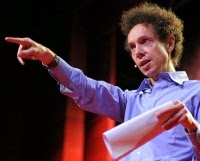
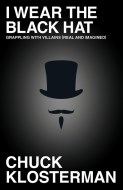 I Wear the Black Hat bounces around the topic of villainy with a collection of deftly written essays by American writer and essayist Chuck Klosterman. The reading flies by thanks to Klosterman's fresh prose. He's at his best when musing over the finer points of individuals and pop culture references; one of the best passages in I Wear the Black Hat finds Klosterman articulating the nuances of his (and many others') intolerance for the classic rock band The Eagles.
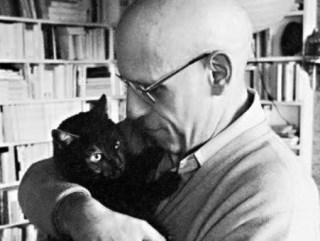 What is Enlightenment? Kant asked, and Foucault restates the question: What is this present?* Foucault finds here not only the beginning of contemporary philosophy but the seed of his own brand of inquiry: a discursive practice of philosophy that collides with its own present reality. The speaker--first, Kant, now, Foucault--is no longer speaking as a member of a philosophical tradition or community, but as a part of the present. And, ever since, philosophy has continued questioning its own present reality.